

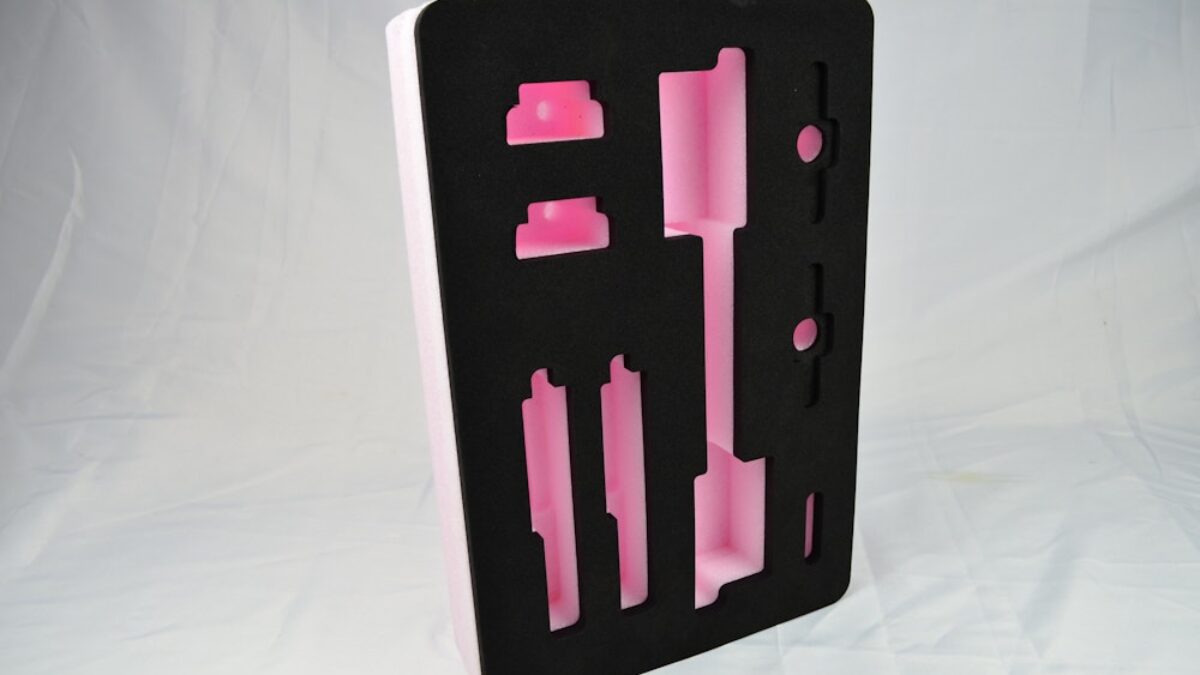
Multi-layered foam is becoming a preferred choice for applications that require precision and adaptability. By combining foam types with distinct mechanical and environmental properties, layered constructions deliver optimized protection, cushioning, and structural support in one engineered solution.
This flexibility allows manufacturers to align material performance precisely with the demands of their application. Compared to single density foam, multi-layered foam unlocks performance capabilities beneficial across myriad industries. From precise packaging design to medical devices, industrial applications, marine settings, and automotive systems, multi-layered foam provides a level of versatility that single-density materials cannot match.
Here’s how multi-layered foam is engineered and where it delivers the highest value.
What Is Multi-Layered Foam?
Multi-layered foam, also known as laminated foam, is created by bonding two or more layers of foam together. These layers may:
- Use the same foam type at different densities
- Combine different foams e.g., Polyethylene foam (PE) + polyurethane foam (PU), Cross-linked polyethylene foam (XLPE) + Ethylene-vinyl acetate foam (EVA) + expanded polyethylene foam (EPE)
- Integrate performance layers for thermal, acoustic, or chemical resistance
Each layer contributes distinct properties, working together to create a composite foam that outperforms its individual components.
A layered design may include:
- A rigid base layer for load-bearing strength
- A softer cushioning or transitional layer for shock absorption
- A high-performance surface layer for chemical, thermal, or abrasion resistance
Amcon utilizes this technique to produce materials that meet precise performance requirements. The customization of each layer is specified to meet unique industry needs. When applications require open-cell foams, memory foam, rigid insulating components, or skin-contact surfaces, multi-layered foam offers the flexibility to achieve those goals.
How Is Multi-Layered Foam Produced?
Producing layered foam requires precise bonding and material selection. Each layer is specified to meet distinct industry demands. The process typically includes:
- Selecting foam types based on density, tensile strength, moisture resistance, or other specialty needs
- Applying adhesives such as pressure-sensitive or heat-activated glues
- Bonding layers under controlled pressure to ensure structural integrity
- Post-processing (CNC routing, die cutting, contouring, or surface finishing) to create custom cut shapes or application-ready parts
Through fabrication, the final multi-layered foam product becomes a single cohesive material suitable for protective packaging, thermal insulation, comfort systems, and precision foam inserts.
Key Benefits of Multi-Layered Foam
- Enhanced Performance Through Material Synergy
Single density foam often forces a tradeoff. Materials may be soft, insulative, chemically resistant, or load-bearing, but rarely all at once. Layered foam eliminates this compromise.
By combining different foams, you can achieve performance characteristics such as:
- Structural support + cushioning
- Impact absorption + thermal insulation
- Chemical resistance + comfort
- Noise reduction + rigidity
Lamination gives multi-layered foam the adaptability required for applications that must balance structural support, protection, and environmental performance.
- Customization for Application Specific Needs
Multi-layered foam allows engineers to design around the exact demands of the product or environment.
Examples include:
Packaging
A rigid PE layer for stability paired with soft PU or memory foam for delicate surfaces.
Medical Devices
Comfort layers against the skin combined with antimicrobial, moisture-control, or waterproof membranes.
Automotive Panels
Noise-damping layers integrated with structural or thermal support layers.
This design flexibility delivers better overall performance than any single foam type alone.
Case Inserts and Tool Control
Multi-colored layers intended to identify tool locations, implement tool control, and improve aesthetics.
- Improved Durability
Layering increases structural integrity. A rigid base prevents collapse, while softer layers reduce repetitive wear.
Key durability benefits include:
- Enhanced abrasion resistance
- Greater long-term dimensional stability
- Better performance under repeated loads or compression
This makes multi-layer foam ideal for reusable packaging, orthotics, consumer goods, and industrial components.
- Expanded Functional Capabilities
Engineered layering can provide advanced features such as:
- Noise Reduction: Acoustic layers absorb vibrations and reduce sound transmission.
- Thermal Insulation: Low-conductivity layers create effective thermal barriers, often used in medical, industrial, or temperature-controlled packaging. In building applications, multi-layered polyurethane systems complement materials such as expanded polystyrene (EPS), extruded polystyrene (XPS), and layered foam panel insulation, offering advantages over single-layer foam insulation assemblies.
- Impact & Shock Absorption: High-density layers spread impact forces, while softer layers cushion fragile components.
- Moisture, UV, and Chemical Resistance: Performance layers such as XLPE, EVA, nitrile, or silicone enhance resistance to water, solvents, heat, and outdoor conditions. These capabilities support regulatory and environmental compliance while maintaining usability and comfort.
- Cost Efficiency Through Smart Material Use
One of the most practical advantages of multi-layer foam is material optimization. Instead of specifying a full block of high-performance foam, manufacturers can:
- Use expensive, high-density material only where required
- Allocate lower-cost layers to regions that do not need advanced performance
- Reduce total foam usage while maintaining or improving functionality
This results in lower material costs and lighter-weight solutions—critical factors in packaging, transportation, and high-volume manufacturing.
Where Multi-Layered Foam Is Used
- Protective Packaging & Shipping
Layered designs may include:
- A rigid PE or EPP base for stability
- Soft PU, EPE, or memory foam layers for cushioning
- Optional ESD-safe or thermally insulating materials
This approach delivers enhanced presentation, reliable foam inserts, and reduced shipping damage.
- Automotive Industry
Common applications include:
- Noise damping
- Interior padding
- Thermal insulation
- Vibration-isolation components
Layered foams allow automotive manufacturers to meet performance, comfort, and durability requirements simultaneously.
- Medical Devices & Orthotics
Layering supports:
- Patient comfort
- Moisture management
- Antimicrobial surfaces
- Structural reinforcement
Applications include orthotics, prosthetics, surgical pads, and patient-contact components.
- Consumer Goods
Products that rely on layered foam include:
- Mattresses using memory foam, open-cell foams, and support layers
- Footwear
- Sporting goods
- Protective gear
Layering enables comfort, breathability, and stability where needed.
- Construction & Insulation
Multi-layered foam addresses challenges such as:
- Air sealing
- Soundproofing
- Thermal bridging
- Structural support
In these assemblies, polyurethane layers may complement expanded polystyrene, extruded polystyrene, or layered foam panel insulation, each chosen for its specific mechanical or thermal role.
- Sports & Recreation
Protective gear often integrates:
- High-density impact layers
- Comfort layers
- Slip-resistant or textured surfaces
These structures contribute to improved safety and long-term durability.
Is Multi-Layered Foam Right for Your Application?
Consider:
- Required load capacity
- Environmental or chemical exposure
- Desired longevity
- Thermal, acoustic, or impact needs
- Required geometry or custom cut shapes
For many products, multi-layered solutions outperform standalone foam.
Partner With Amcon Foam for Engineered Multi-Layer Solutions
At Amcon, we design and fabricate multi-layer foam systems tailored to your exact needs. Our engineers evaluate application requirements, recommend optimal layer configurations, and deliver prototypes or production-ready components with precision.
We offer:
- CAD-driven design
- CNC routing, die cutting, waterjet cutting, and lamination
- Material testing and performance validation
- Solutions for packaging, medical, industrial, marine settings, and consumer applications
Whether you need support, cushioning, insulation, or a combination of all three, multi-layered foam can unlock new levels of performance.
Let’s create a custom foam solution engineered for your application. Contact Amcon Foam today.